The shrimp hit the skillet, turn pink at the edges, and suddenly the whole pan needs your attention. The first time I made shrimp scampi, I let the garlic get too far along while I was reaching for the wine; it went from fragrant to bitter in a blink. Now I have everything ready before the butter melts, and these shrimp scampi come together without a frantic scramble.
This version keeps the pasta and sauce in the same skillet for the final toss, so the linguine picks up the buttery wine and lemon instead of sitting beside it. I save a little pasta water before draining; that starchy water helps the sauce cling to the noodles. The shrimp cook separately and go back in at the end, which keeps them tender while the pasta gets coated. You get a bright, buttery forkful with garlic in every bite.
Kitchen Note
Get the wine and lemon juice ready before the garlic goes into the skillet. Garlic needs only about 30 seconds in the butter, and having the next ingredients at hand keeps it from browning while you search for them.
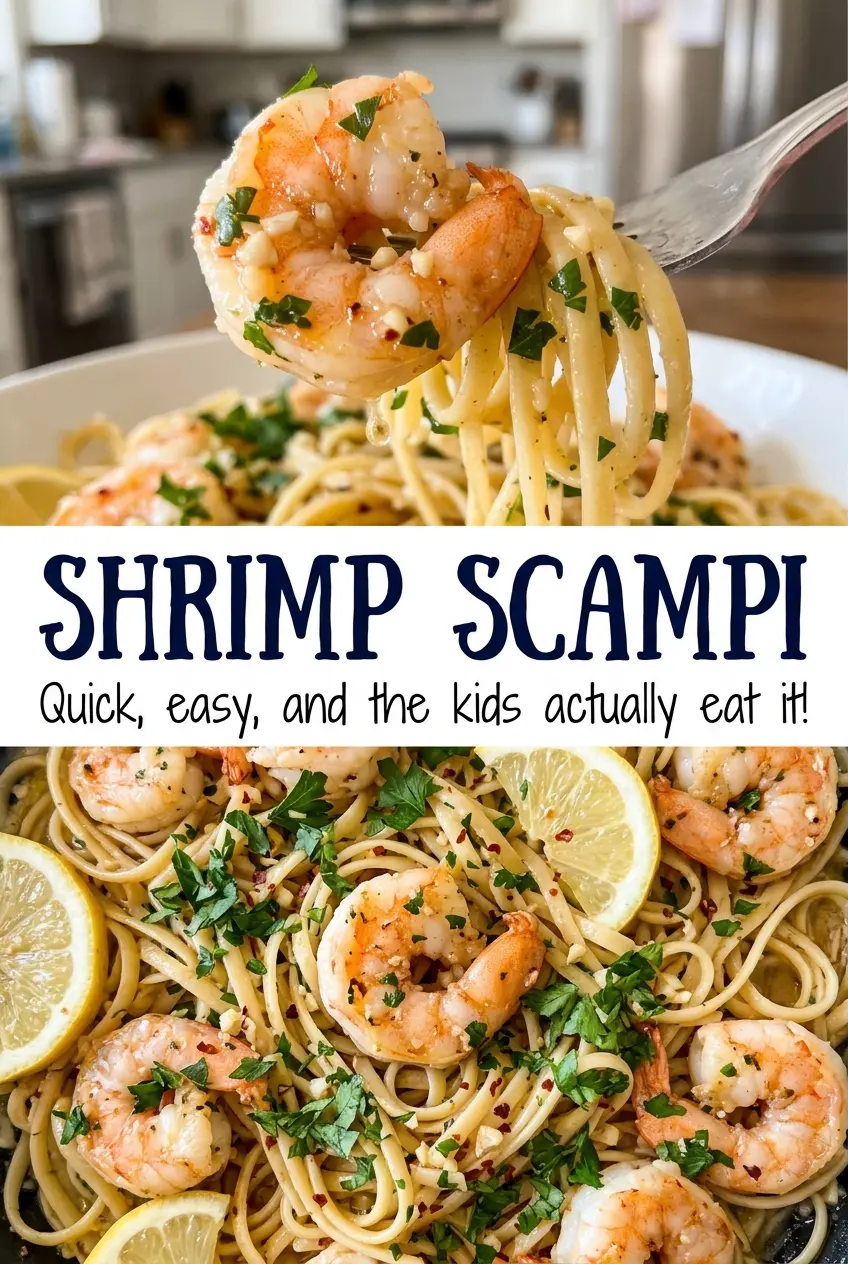
Save this Shrimp Scampi for a fast, buttery dinner with garlicky linguine and a bright lemon finish.
Why the Reserved Pasta Water Makes This Scampi Coat Linguine
Wine, butter, and lemon make a loose pan sauce, not a thick cream sauce. That is exactly what you want here: the linguine should be lightly coated, with enough sauce left to gather in the bottom of the skillet. The reserved cooking water helps those ingredients come together around the pasta instead of separating into a slick of butter and a puddle beneath the noodles.
Pasta water works because it carries starch from the linguine. When you toss it with the sauce, that starch helps the liquid cling to the noodles. Drain the pasta only after saving the measured water, then add it to the skillet with the shrimp and parsley. Toss until the linguine looks evenly coated rather than dry or greasy. The wine reduction matters, too: simmering it until it has reduced by about half concentrates its flavor before the lemon and pasta join the pan.
Don’t expect a heavy coating. This is a light, glossy sauce that should taste of butter, garlic, wine, and lemon. The reserved water gives it enough body to travel with each strand without masking the shrimp.
The Ingredients That Build Scampi’s Bright, Buttered Sauce
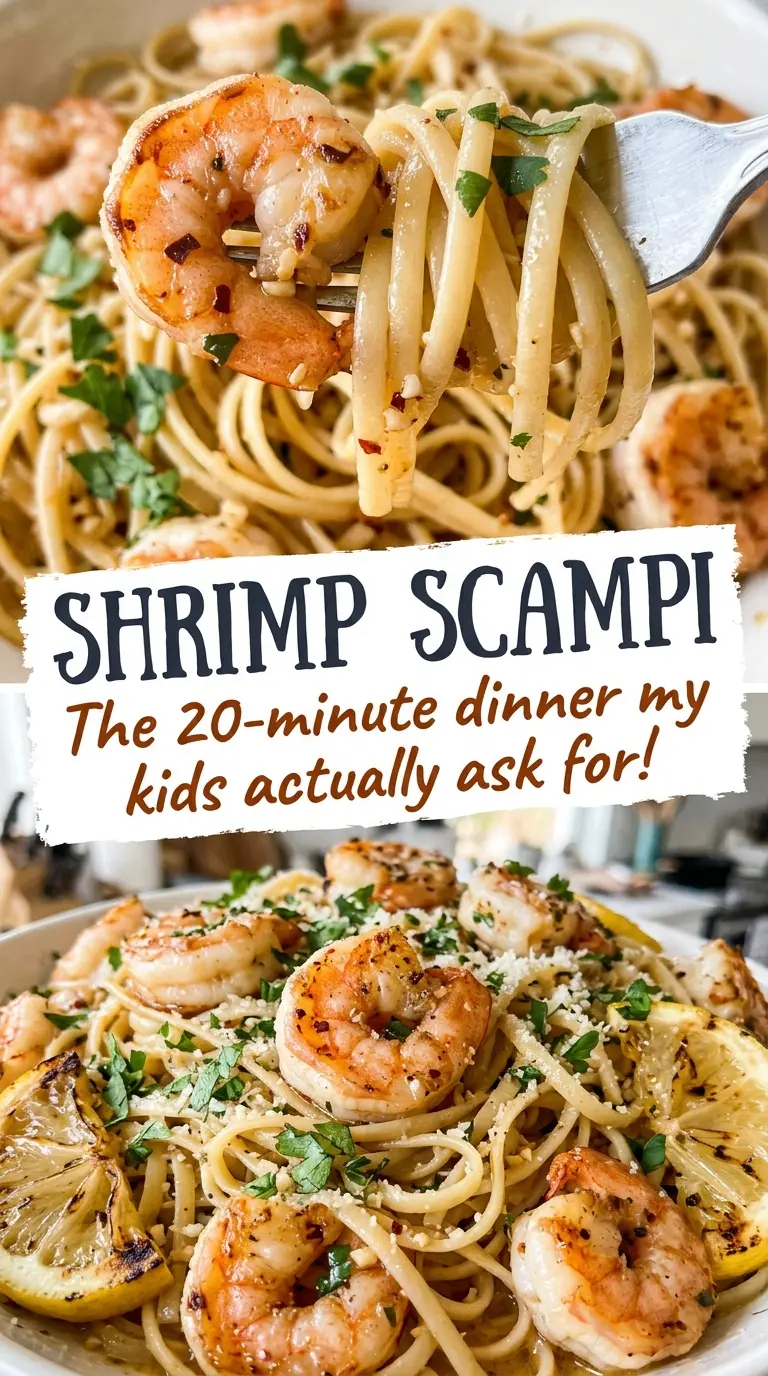
- Large shrimp — Shrimp in the 16-to-20-per-pound range give you substantial bites and cook quickly in the skillet. Peeled and deveined shrimp keep the prep simple; pat them dry so excess surface moisture doesn’t interfere with cooking. Fresh or frozen shrimp work, but frozen shrimp should be fully thawed first.
- Dried linguine — Its flat strands hold onto the light butter sauce while still twirling easily around a fork. A good-quality dried pasta is worth choosing, but you don’t need a specialty brand. Cook it to al dente so it can finish in the skillet without turning soft.
- Unsalted butter and olive oil — The butter supplies the rich base, while olive oil helps the shrimp cook in the skillet. Unsalted butter lets you control the seasoning yourself. A basic olive oil is fine here; its job is to help start the shrimp, not dominate the sauce.
- Dry white wine — A dry wine reduces into the savory, lightly tart base that lemon finishes. Use a wine you’re comfortable drinking, but there’s no need for an expensive bottle. Sweet wine would push the sauce in a different direction.
- Fresh lemon juice and parsley — Lemon juice cuts through the butter, and fresh parsley adds a clean, green finish. Fresh lemon gives the brightest result; fresh parsley also tastes livelier here than dried herbs. Mince the garlic finely so it distributes through the sauce rather than leaving large, sharp pieces.
The Four Moves From Al Dente Pasta to Shrimp Scampi
Cook the Linguine and Save Its Water
Bring 4 quarts of water to a boil in a 6-quart pot, add 1 tablespoon of kosher salt, then cook the linguine according to the package directions until al dente, usually 8 to 10 minutes. Before draining, measure out 1/4 cup of the cooking water; that’s easy to forget once the pasta is in the colander. Drain the linguine and keep it nearby while you cook the shrimp. If the noodles finish first, don’t rinse them, since the starch on their surface helps the sauce cling.
Cook the Shrimp in a Single Layer
Season the dried shrimp with the remaining 1/2 teaspoon kosher salt and the black pepper. Heat the olive oil with 1 tablespoon of butter in a 12-inch skillet over medium-high heat, then add the shrimp in one layer. Cook for 1 to 2 minutes per side, until pink and opaque; the exact point depends on the shrimp’s size and the heat of the pan. Transfer them to a plate as soon as they reach that cue rather than leaving them in the skillet while you make the sauce.
Build the Garlic, Wine, and Lemon Base
Reduce the heat to medium and add the remaining 3 tablespoons of butter, minced garlic, and red pepper flakes. Stir for about 30 seconds, just until the garlic smells fragrant; don’t wait for it to turn brown. Pour in the dry white wine and simmer for 2 to 3 minutes, until it has reduced by about half. Stir in the fresh lemon juice once the wine has reduced.
Toss Until the Linguine Is Coated
Add the drained pasta, cooked shrimp, chopped parsley, and reserved pasta water to the skillet. Toss everything together for about 1 minute, until the linguine is coated and the shrimp are warmed through. Use a pair of tongs to lift and turn the strands through the sauce so the parsley and shrimp are distributed instead of settling at the bottom. Serve as soon as the pasta is coated; it’s at its best while the sauce is loose and glossy.
Small Changes That Still Let the Shrimp Lead
Make It Gluten-Free With Gluten-Free Linguine
Use 8 ounces of gluten-free linguine in place of the dried linguine and cook it according to the package directions. Gluten-free pasta can soften quickly, so check it for an al dente bite at the lower end of its suggested cooking time. Save the pasta water as usual; its starch still helps the sauce cling, though the texture may vary by brand.
Use Spaghetti Instead of Linguine
Swap in the same amount of dried spaghetti and cook it until al dente according to its package directions. Spaghetti gives you a rounder, slightly different bite, but it still tosses easily with the shrimp and light pan sauce. Keep the rest of the ingredients and the skillet method the same.
Turn the Heat Up or Down
Adjust the red pepper flakes to suit your preference. Use less for a gentler warmth, or leave them out for a milder garlic-and-lemon sauce. The shrimp, butter, wine, and lemon still carry the dish, so reducing the flakes won’t leave the pasta tasting flat.
Storage and Reheating
- Refrigerator: Store leftovers in an airtight container for 3 to 4 days. The linguine will absorb some sauce as it sits, so it won’t be as loose as when freshly tossed.
- Freezer: Freezing isn’t my first choice for this dish. The pasta tends to soften and the shrimp can turn firm after thawing, so the texture is best when you make only what you expect to eat.
- Reheating: Warm leftovers gently in a skillet with a small splash of water, tossing until heated through. High heat can make the shrimp tough, and reheating without any moisture leaves the pasta dry.
Questions That Come Up While the Skillet Is Hot
Shrimp Scampi
Ingredients
Equipment
Method
- Bring the water to a boil in a 6-quart pot.
- Add 1 tablespoon of the salt and the linguine, then cook according to the package directions until al dente, usually 8 to 10 minutes.
- Reserve 1/4 cup of the cooking water, then drain the pasta.
- Season the shrimp with the remaining 1/2 teaspoon salt and the black pepper.
- Heat the olive oil and 1 tablespoon of the butter in a 12-inch skillet over medium-high heat.
- Add the shrimp in a single layer and cook for 1 to 2 minutes per side, until pink and opaque; transfer to a plate.
- Reduce the heat to medium and add the remaining 3 tablespoons butter, garlic, and red pepper flakes.
- Cook for about 30 seconds, stirring, until fragrant.
- Add the wine and simmer for 2 to 3 minutes, until reduced by about half, then stir in the lemon juice.
- Add the drained linguine, shrimp, parsley, and reserved pasta cooking water to the skillet.
- Toss until the pasta is coated and the shrimp are warmed through, about 1 minute, then serve.