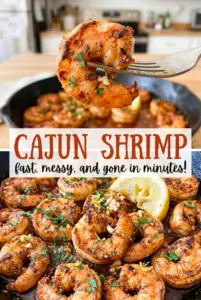
As soon as shrimp hit a properly hot skillet, their edges turn pink and the spices start to smell toasty. Give the pan too many at once, though, and the shrimp release moisture before they can sear. I keep this Cajun Shrimp simple: large shrimp, a balanced bowl of pantry spices, and a quick cook in a single layer.
Mixing the seasoning before it touches the shrimp helps every piece get an even coat, and patting the shrimp dry keeps that coating from turning damp. The cayenne brings warmth without hiding the garlic, herbs, and paprika. A squeeze of fresh lemon at the end cuts through the savory spice, leaving you with tender shrimp and a lively, peppery finish.
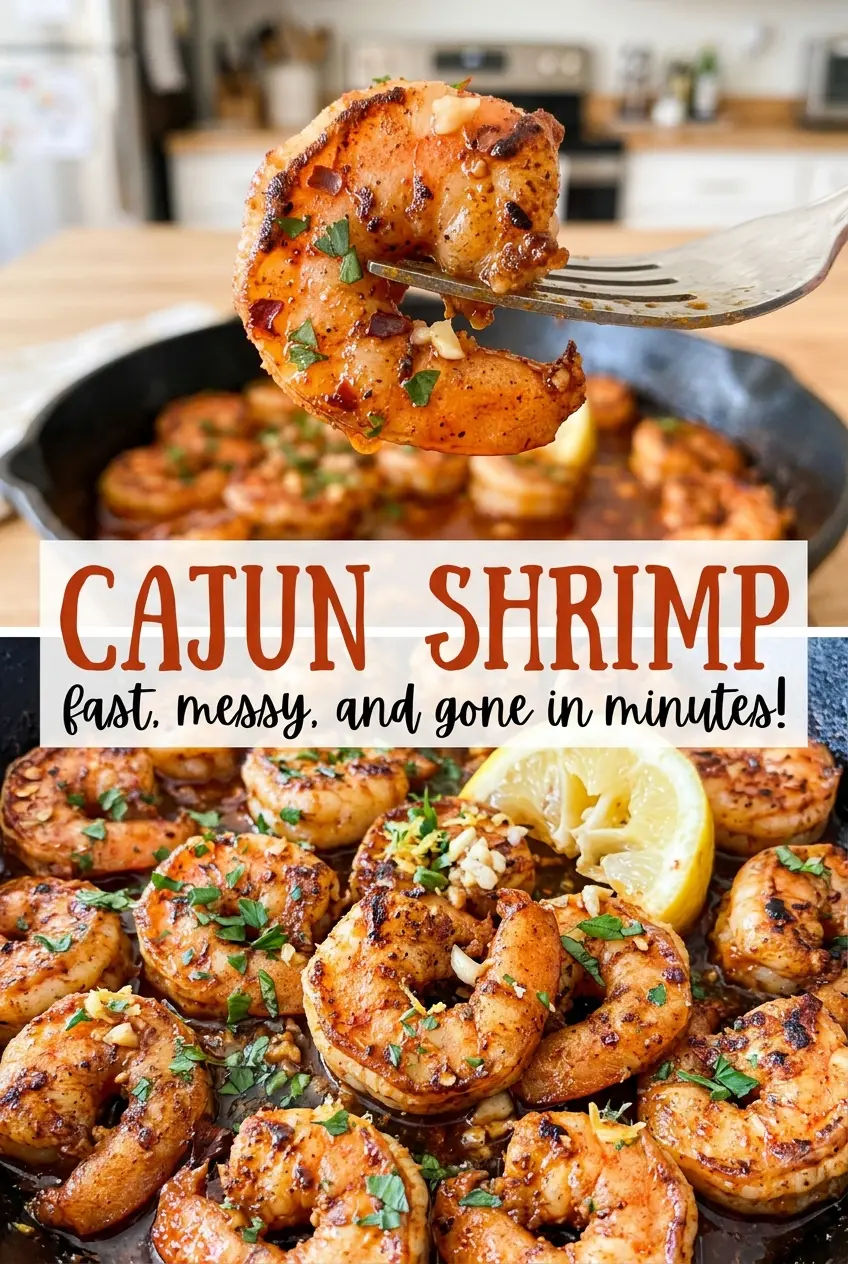
Kitchen Note
Pat the shrimp until the surface feels dry, not slick. That small bit of prep keeps the seasoning from getting watery before the shrimp reach the hot pan.
Save this Cajun Shrimp for a fast skillet dinner with a warm spice blend and bright lemon finish.
Why Cajun Shrimp Turns Watery Before the Spices Can Toast
Shrimp cook quickly, but a skillet that is crowded or not hot enough can still leave them sitting in a puddle. The moisture coming off the shrimp cools the cooking surface, so the pieces steam instead of making close contact with the pan. That leaves the seasoning damp and muted rather than fragrant.
Heating the olive oil until it shimmers gives the shrimp a hot landing spot, and arranging them in one layer gives the moisture room to evaporate. A 12-inch skillet fits the intended batch without stacking the shrimp. If the oil is smoking hard, the pan has gone beyond the cue you want; medium-high heat should bring it to a shimmer, not a haze.
The seasoning is a dry blend, not a thick marinade, so don’t expect a heavy crust. The payoff is an even, savory coating that clings to the shrimp while they cook. Keep the pieces in contact with the skillet and turn them once; constant stirring interrupts that quick sear.
Why Large Shrimp and a Balanced Spice Blend Matter Here
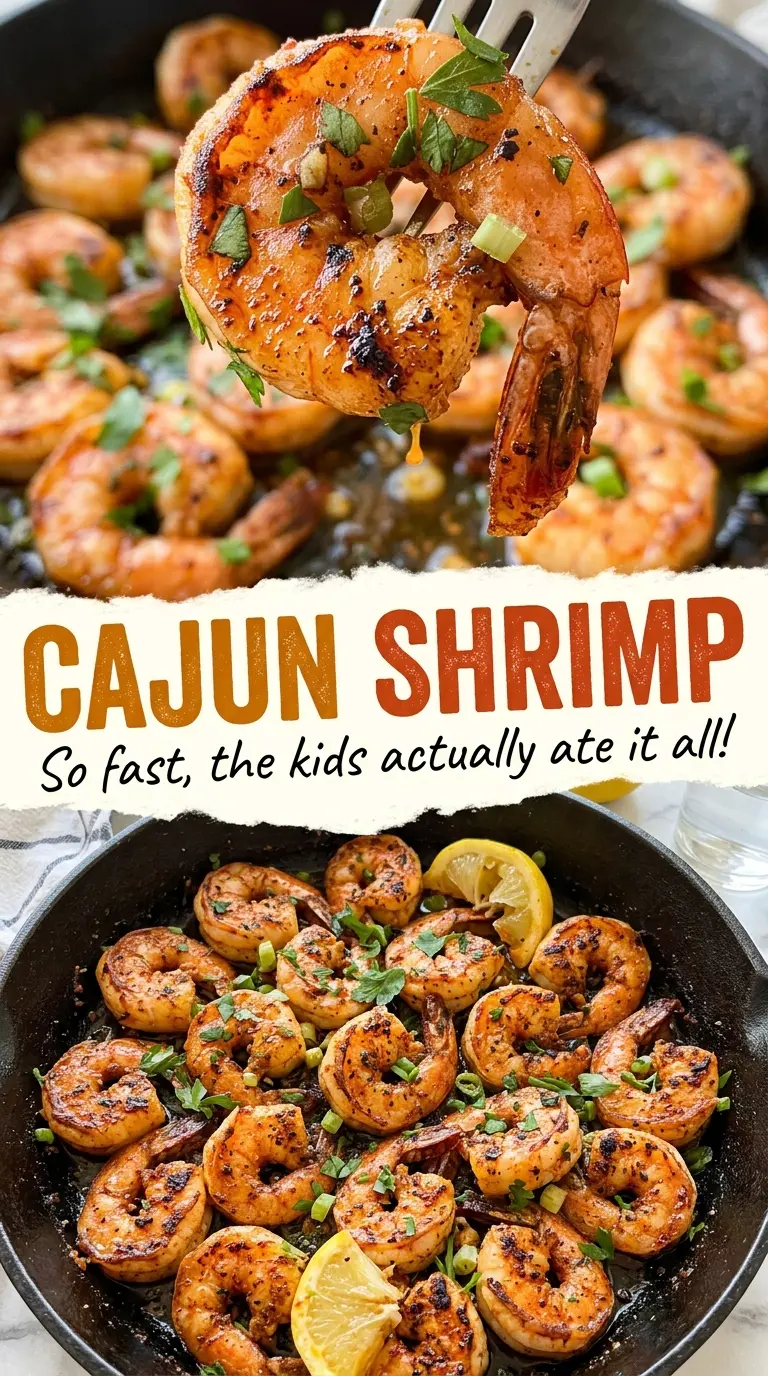
- Large shrimp — The 16 to 20 per pound size gives you substantial bites and enough time to develop color before the centers overcook. Peeled and deveined shrimp keep prep manageable; fresh or frozen raw shrimp work, but thaw frozen shrimp fully before cooking. An everyday bag is fine here, since the spices and lemon do the talking.
- Paprika and cayenne — Paprika supplies the mellow pepper flavor and warm color, while cayenne brings the sharper heat. Fresh, aromatic spices make the blend taste more vivid; dusty spices that have sat open for ages will taste flat. Smoked paprika works in place of regular paprika if you want a deeper, woodsy note, though it changes the character of the dish.
- Garlic powder and onion powder — These powders spread their savory flavor evenly over the shrimp without adding moisture. They’re a better fit for this quick skillet cook than fresh chopped garlic or onion, which can scorch before the shrimp finish.
- Dried oregano and thyme — Dried herbs stay easy to distribute through the seasoning and give the peppery blend an earthy, herbal edge. Standard grocery-store jars work well; fresh herbs have a different moisture and texture, so they aren’t a direct replacement in this dry coating.
- Olive oil and lemon — Olive oil helps the shrimp cook evenly in the skillet, and a squeeze of lemon brightens the spices at the table. A regular cooking olive oil is all you need; save an expensive finishing oil for a dish where its flavor can stand on its own. Fresh lemon wedges give a cleaner, brighter squeeze than bottled juice.
The Quick Skillet Sequence That Keeps Shrimp Tender
Blend the Dry Seasoning
Stir the paprika, garlic powder, onion powder, oregano, thyme, cayenne, kosher salt, and black pepper together in a small bowl. Break up any clumps with the back of a spoon so the blend is consistent from the first shrimp to the last. Mixing everything before it touches the shrimp prevents a pocket of cayenne or salt from landing on just a few pieces.
Coat the Shrimp Evenly
Add the peeled, deveined, patted-dry shrimp to the seasoning and toss until each piece has an even coating. The spices should cling in a thin layer rather than collect in a wet paste at the bottom of the bowl. If you see damp clumps, the shrimp likely need more blotting before they go into the skillet.
Wait for the Oil to Shimmer
Heat the olive oil in a 12-inch skillet over medium-high heat. Watch the surface: shimmering oil looks fluid and moves easily when you tilt the pan, while smoking oil is too hot. Give the skillet a moment to heat evenly, because shrimp added to a cool patch won’t sear as quickly.
Cook Briefly, Then Finish with Lemon
Arrange the shrimp in a single layer and cook for 1 1/2 to 2 minutes per side. Turn them once, when the first side is pink and the underside has begun to color; the centers should turn opaque as they finish. Check the thickest part for 145°F, then serve with lemon wedges for squeezing over the top.
Two Ways to Tune the Heat and Flavor
Make a Milder, Cayenne-Free Batch
Leave the cayenne out of the seasoning blend for a gentler version. The paprika, garlic, onion, and herbs still coat the shrimp with plenty of savory flavor, but you lose the lingering heat. This is the simplest adjustment if you want the spice aroma without the cayenne burn.
Use Smoked Paprika for a Smokier Edge
Swap smoked paprika for the paprika in the seasoning blend, keeping the same quantity. The shrimp take on a deeper, smokehouse-like flavor that pairs naturally with the cayenne, though the smoky note becomes more prominent than the cleaner pepper taste of regular paprika.
Storage and Reheating
- Refrigerator: Store cooked shrimp in a covered container for 3 to 4 days. They’ll be less juicy after chilling, so avoid reheating them more than once.
- Freezer: Freeze cooked shrimp in an airtight freezer-safe container for up to 2 months for best quality. Thaw them in the refrigerator before reheating; the texture will be a little firmer than freshly cooked shrimp.
- Reheating: Warm gently in a skillet over low heat, just until heated through. High heat or a long reheat makes shrimp rubbery, so don’t leave them in the pan while you prepare anything else.
Questions That Come Up When Cooking Cajun Shrimp
Cajun Shrimp
Ingredients
Equipment
Method
- In a small bowl, stir together the paprika, garlic powder, onion powder, oregano, thyme, cayenne, salt, and black pepper.
- Toss the shrimp with the seasoning until evenly coated.
- Heat the olive oil in a 12-inch skillet over medium-high heat until shimmering.
- Add the shrimp in a single layer and cook for 1 1/2 to 2 minutes per side, until opaque and 145°F at the thickest part.
- Serve with lemon wedges for squeezing over the shrimp.