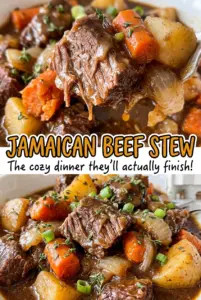
When the lid lifts, the tomato broth has settled around the potatoes and carrots, and the beef has turned a simple pot of vegetables into a full, satisfying stew. I like this stovetop version because it starts with familiar ingredients and builds a thick, savory broth without a separate pan or a long list of spices. Poor Mans Stew is hearty without being complicated, and the vegetables cook right alongside the beef.
The order matters more than it might seem. A little flour cooks with the beef before the liquid goes in, then the broth is stirred in gradually so the stew thickens without floury lumps. Russet potatoes add some body as they soften, while tomato sauce gives the beef broth a gentle tang. The result is a spoonful with tender vegetables, rich beef, and enough broth to bring it all together.

Kitchen Note
Once the pot is covered, keep the heat low enough for a gentle simmer rather than a rolling boil. Give it an occasional stir so the vegetables cook evenly and the bottom of the pot doesn’t catch.
Save Poor Mans Stew for a cozy, no-fuss dinner with tender potatoes, carrots, and a thick beef-and-tomato broth.
Why the Flour Goes In Before the Broth
A stew can taste hearty and still feel thin when the liquid doesn’t cling to the meat and vegetables. Here, flour gives the beef broth a little structure, turning it into a sauce that coats the potatoes instead of running straight off them. Cooking the flour briefly with the beef and aromatics takes away its raw taste before the liquid is added.
Adding the broth gradually is what keeps that thickener smooth. Pouring in all the liquid at once can leave small flour pockets hiding in the mixture; stirring as you add it helps the flour disperse. Tomato sauce then brings a familiar tomato richness without the chunky texture of diced tomatoes. Together, those ingredients make a broth that feels substantial but still loose enough to ladle. The potatoes finish the job as they soften, giving the stew a little more body without turning it into a paste.
Why Russets Give This Beef-and-Tomato Stew Its Body

- Russet potatoes soften readily and release starch into the broth, which helps the stew feel thick and comforting. Cut them into even 1-inch pieces so they finish at roughly the same time. Yukon Gold potatoes are a workable swap, but they hold their shape more and make a less starchy broth.
- Ground beef supplies the savory base. The 85% lean blend has enough fat to carry flavor while still allowing you to drain excess fat if the pot looks greasy after browning. A slightly leaner ground beef works too, though the stew will have a less rich finish.
- Low-sodium beef broth lets you control the saltiness as the stew reduces. Regular broth can be used, but taste before adding all the salt so the finished broth doesn’t become too salty.
- Tomato sauce and Worcestershire sauce do different jobs: tomato sauce gives the broth its rounded tomato character, while Worcestershire adds a deep, savory note. Choose a plain tomato sauce rather than a sweetened pasta sauce, which would change the stew’s balance.
- All-purpose flour thickens the broth without a separate slurry. If you need a gluten-free version, use a gluten-free 1:1 flour blend; different blends can thicken a little differently, so look for a lightly coating broth rather than expecting an identical texture.
Build the Stew in One Dutch Oven
Soften the Onion as the Beef Cooks
Warm the vegetable oil in a 5-quart Dutch oven over medium-high heat, then add the ground beef and chopped onion. Break the meat into small pieces as it cooks so you don’t end up with large clumps surrounded by broth. Cook for 8 to 10 minutes, until the beef reaches 160°F and the onion has softened. If a noticeable pool of fat collects, drain the excess before moving on.
Cook the Garlic and Flour Briefly
Stir in the minced garlic and flour, keeping the mixture moving for 1 minute. The flour should coat the meat and onion rather than sit in dry patches at the bottom of the pot. Constant stirring keeps it from scorching, which would give the broth a bitter taste. You’ll notice the mixture look pastier as the flour cooks; that’s expected.
Stir in the Broth and Seasonings
Pour in the beef broth gradually, stirring as you go to smooth out the flour. Once the broth is incorporated, add the tomato sauce, Worcestershire sauce, kosher salt, black pepper, and dried thyme. Scrape along the bottom as you stir so nothing is stuck there. The liquid should look evenly tomato-colored before the vegetables go in.
Simmer Until the Vegetables Give Easily
Stir in the potatoes and carrots, then bring the stew to a boil. Reduce the heat to low, cover the pot, and simmer for 25 to 30 minutes, stirring occasionally. Check a potato and carrot with a fork: both should be tender without crumbling apart. The broth should look thicker than it did at the start, and the vegetables should sit in it rather than float in a watery liquid.
Simple Swaps That Change the Pot
Make It Gluten-Free
Replace the all-purpose flour with a gluten-free 1:1 flour blend, and choose gluten-free beef broth and Worcestershire sauce. The stew will still thicken, though the exact body depends on the blend; add the broth gradually and judge the finished texture by how it coats a spoon.
Use a Leaner Ground Beef
A 90% lean ground beef works in place of the 85% lean beef. It leaves less fat to drain and gives the stew a lighter finish, though the broth won’t have quite the same richness. Keep the cooking method the same and check that the beef reaches the stated temperature.
Trade Thyme for Oregano
Use dried oregano in place of the dried thyme for a more assertive, earthy herbal note. It pairs well with the tomato sauce, but it makes the stew taste a little more distinctly Mediterranean than the gentle, woodsy thyme version.
Storage and Reheating
- Refrigerator: Refrigerate leftovers within 2 hours and keep them for 3 to 4 days. The potatoes will soften a little as they sit.
- Freezer: Freeze cooled stew in airtight containers for up to 3 months. The potatoes may be softer after thawing, but the broth and beef freeze well.
- Reheating: Warm it gently in a covered saucepan over medium-low heat, stirring now and then. Add a splash of beef broth if it has thickened in the refrigerator, and heat leftovers to 165°F; a hard boil can break up the softened potatoes.
Questions That Come Up While the Stew Simmer
Poor Mans Stew
Ingredients
Equipment
Method
- Heat the oil in a 5-quart Dutch oven over medium-high heat, then add the ground beef and onion. Cook for 8 to 10 minutes, breaking up the beef, until it reaches 160°F and the onion is softened; drain excess fat if needed.
- Stir in the garlic and flour and cook for 1 minute, stirring constantly.
- Gradually stir in the beef broth, then add the tomato sauce, Worcestershire sauce, salt, pepper, and thyme.
- Stir in the potatoes and carrots, bring the stew to a boil, then reduce the heat to low and cover. Simmer for 25 to 30 minutes, stirring occasionally, until the vegetables are fork-tender and the stew has thickened.