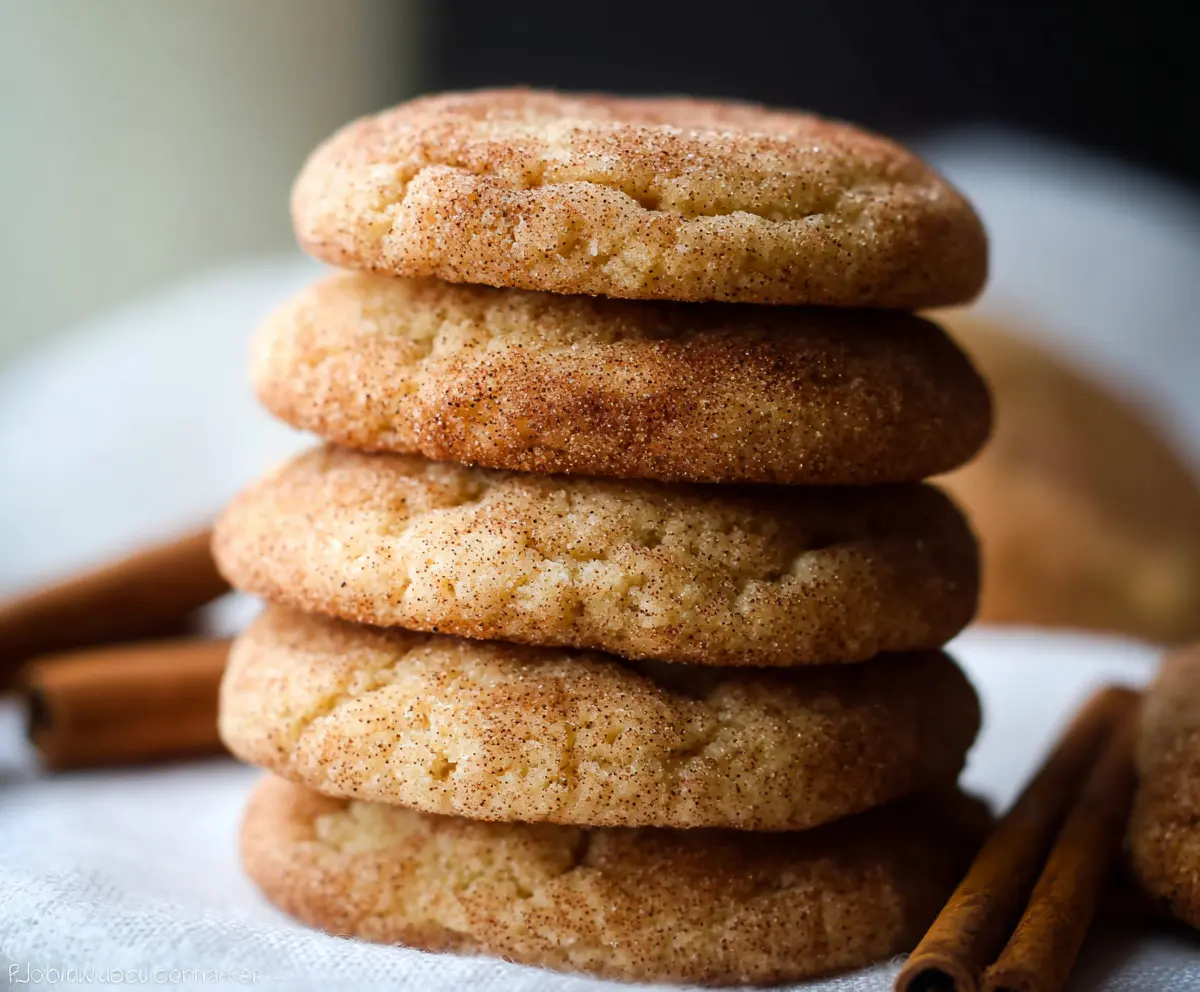
Snickerdoodle cookies are soft, chewy treats coated in a simple mix of cinnamon and sugar that give them their signature sweet and spicy flavor. They’re easily recognized by their crackly tops and warm, comforting aroma that fills the kitchen as they bake.
I love making snickerdoodles because they’re a total crowd-pleaser, and there’s something so satisfying about rolling the dough balls in cinnamon sugar before baking. It’s a little step that makes such a big difference, giving each cookie that perfect, gentle crunch on the outside while staying soft inside.
My favorite way to enjoy snickerdoodle cookies is fresh out of the oven with a cold glass of milk or a warm cup of tea. They’re perfect for sharing with family and friends, and whenever I bring a batch to gatherings, people always ask for the recipe. Honestly, they just have that nostalgic feel that reminds me of cozy afternoons and homemade goodness.
Key Ingredients & Substitutions
Butter: I always use unsalted butter so I can control the salt level. Softened butter is key for creaming—it traps air that makes cookies fluffy. If you need a dairy-free option, try vegan butter or coconut oil, but the texture might change slightly.
Granulated Sugar: Dividing the sugar gives a balance between sweetness and softness. You can swap half for brown sugar to add moisture and a slight caramel flavor, making cookies chewier.
Cream of Tartar: This powder is classic in snickerdoodles. It reacts with baking soda giving cookies their slightly tangy taste and puffy texture. If you don’t have it, add a little lemon juice or vinegar instead.
Cinnamon: Freshly ground cinnamon gives the best flavor for rolling the dough. You can adjust the amount to your taste—more for a spicier kick, less for a subtle touch.
How Do You Get Those Soft, Crackly Tops on Snickerdoodle Cookies?
The magic behind the crackled tops is partly in rolling the dough balls well in cinnamon sugar. This sugar coating dries during baking and creates that slightly crispy shell.
- Chill the dough: If your dough is warm, the cookies may spread too much. A quick chill makes them thicker and helps crackle form.
- Don’t overbake: Take them out when edges set, but centers still look soft. Cookies firm up as they cool, keeping them tender inside.
- Use cream of tartar: It reacts with baking soda to create air bubbles that puff the cookie up and create cracks as they bake.
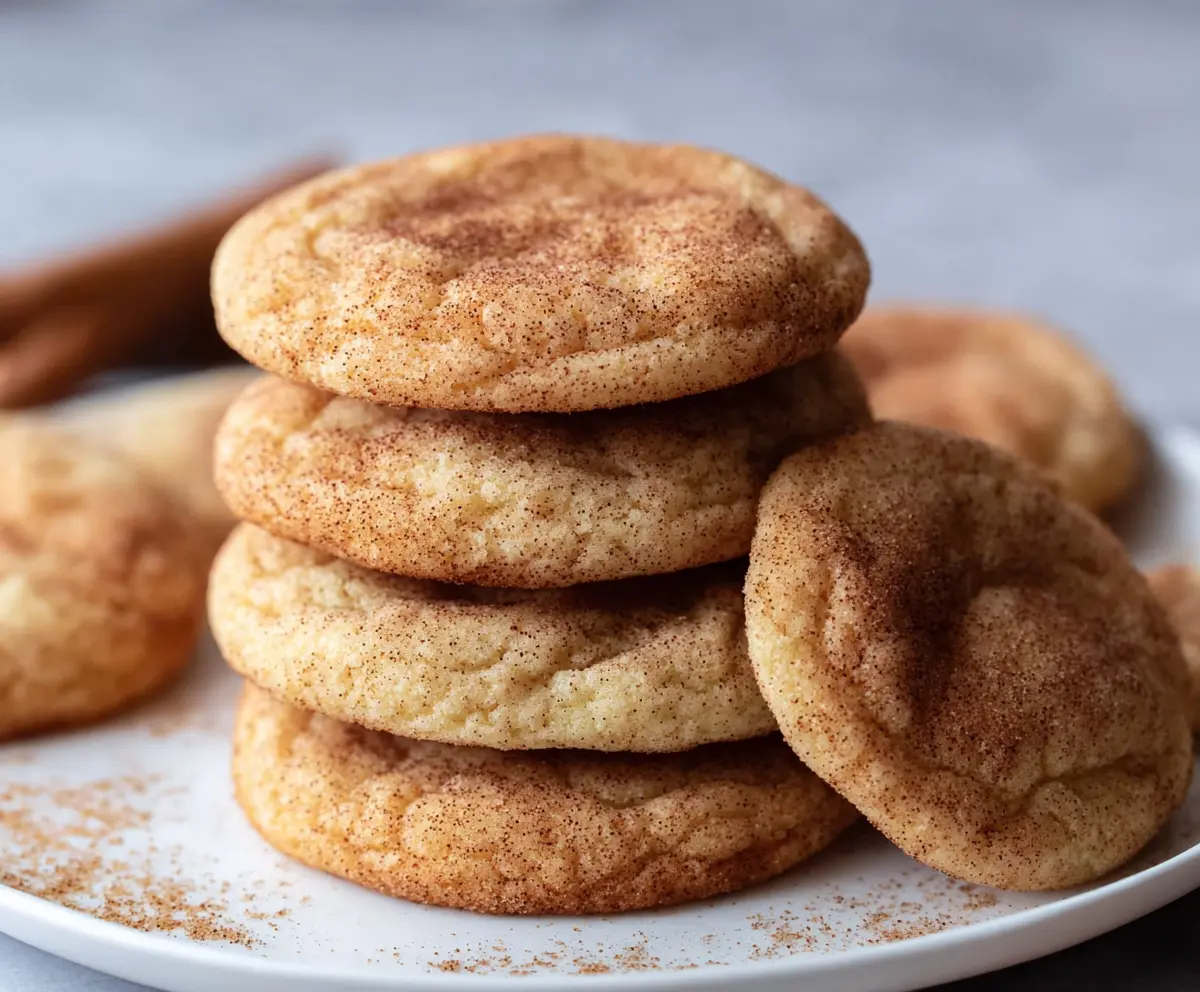
Following these tips, your snickerdoodles will have that perfect soft, chewy inside with a lovely crackled cinnamon-sugar crust that makes them so inviting.
Equipment You’ll Need
- Mixing bowls – I like having a few for wet ingredients, dry ingredients, and cinnamon sugar coating to keep things organized.
- Electric mixer or hand whisk – makes creaming butter and sugar quick and smooth.
- Baking sheets – flat and rimmed to help cookies spread evenly without sliding off.
- Parchment paper or silicone baking mats – these prevent sticking and make cleanup so easy.
- Spoons or cookie scoop – helps you portion dough evenly for uniform cookies that bake at the same rate.
- Cooling rack – allows air circulation so cookies cool properly without becoming soggy underneath.
Flavor Variations & Add-Ins
- Add a teaspoon of vanilla extract for extra warmth and depth in the flavor.
- Mix in 1/2 cup mini chocolate chips or white chocolate chips for a sweet surprise in every bite.
- Try sprinkling a little nutmeg or ground ginger into the cinnamon sugar for a cozy spice twist.
- For a chewy texture, replace 1/4 cup flour with almond flour or oatmeal to add a bit of nuttiness and softness.
How to Make Snickerdoodle Cookies
Ingredients You’ll Need:
For The Cookies:
- 1 cup (2 sticks) unsalted butter, softened
- 1 1/2 cups granulated sugar, divided
- 2 large eggs
- 2 3/4 cups all-purpose flour
- 2 teaspoons cream of tartar
- 1 teaspoon baking soda
- 1/4 teaspoon salt
- 2 tablespoons ground cinnamon
How Much Time Will You Need?
This recipe takes about 15 minutes to prepare and 8 to 10 minutes to bake. You’ll also want to allow a few minutes for the cookies to cool on the baking sheet and on a wire rack before enjoying.
Step-by-Step Instructions:
1. Prepare Your Oven and Baking Sheets:
Preheat your oven to 375°F (190°C). Line your baking sheets with parchment paper or lightly grease them to prevent sticking.
2. Make the Cookie Dough:
In a large bowl, beat the softened butter with 1 1/4 cups of sugar until the mixture is light and fluffy. Next, add the eggs one at a time, beating well after each addition. In another bowl, whisk together the flour, cream of tartar, baking soda, and salt. Gradually add these dry ingredients to your butter mixture, stirring just until combined.
3. Roll in Cinnamon Sugar and Bake:
Combine the remaining 1/4 cup sugar with the ground cinnamon in a small bowl. Shape the dough into 1 1/2-inch balls, then roll each ball thoroughly in the cinnamon sugar mixture. Place the coated dough balls on the prepared baking sheets about 2 inches apart. Bake for 8 to 10 minutes, or until the edges are set and the tops develop lovely cracks.
4. Cool and Enjoy:
Remove the cookies from the oven and let them rest on the baking sheet for 2 minutes to firm up. Then transfer the cookies to a wire rack to cool completely. Serve with your favorite drink and enjoy their soft, chewy cinnamon-sugar goodness!
Can I Use Frozen Dough to Bake Snickerdoodles?
Yes! You can freeze the dough balls before rolling them in cinnamon sugar. Just thaw them in the fridge overnight and then roll in the cinnamon sugar before baking. This helps maintain the coating and freshness.
How Should I Store Leftover Snickerdoodle Cookies?
Store your cookies in an airtight container at room temperature for up to 4 days. If you want to keep them longer, freeze them in a sealed bag or container for up to 3 months. Thaw at room temperature before eating.
Can I Substitute the Cream of Tartar?
If you don’t have cream of tartar, you can replace it with 1 tablespoon lemon juice or white vinegar to activate the baking soda. This will give the cookies their characteristic tang and texture.
How Do I Make Snickerdoodles Softer or Chewier?
For softer cookies, try slightly underbaking them by removing them from the oven when the centers still look a little soft. Adding a bit of brown sugar instead of all granulated sugar can also increase chewiness.